

Blog
How to Identify Poison Ivy, Oak, and Sumac and Avoid Skin Irritation

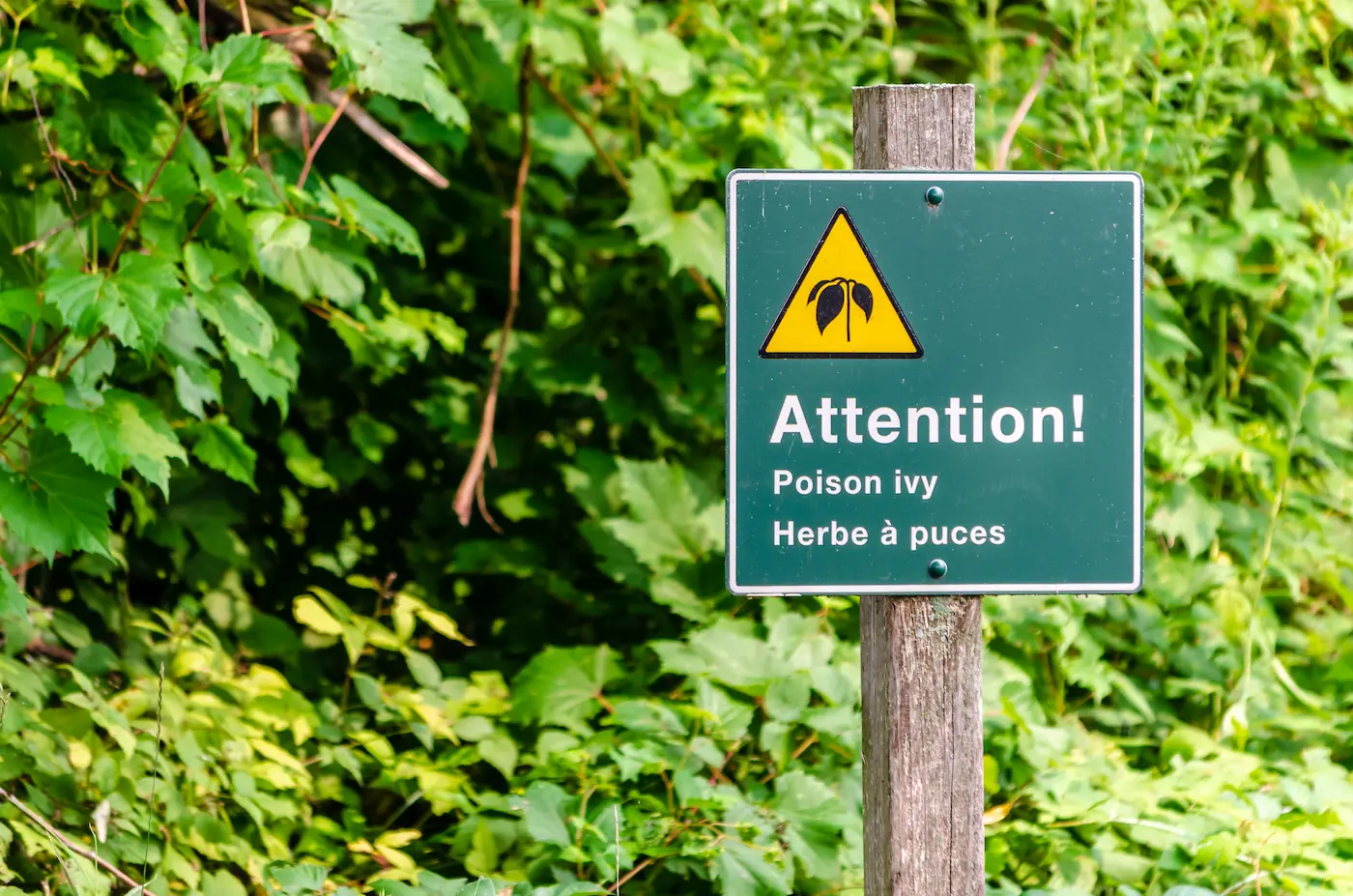
The Risks of Poison Ivy, Oak, and Sumac
Poison ivy, poison oak, and poison sumac are three plants commonly found in the wild, but they can cause significant skin irritation upon contact. These plants are notorious for causing allergic reactions in the form of rashes, blisters, and intense itching. Unfortunately, many people don’t recognize these plants until it's too late, leaving them vulnerable to skin irritation and allergic reactions.
Knowing how to identify these plants and understanding where they grow is the best defense against accidental contact. In this blog, we’ll discuss how to recognize poison ivy, oak, and sumac, provide tips on how to avoid them, and offer advice on what to do if you come into contact with these plants.
How to Identify Poison Ivy
Poison ivy is the most well-known of the three and is often the cause of painful rashes for those who come into contact with it. It can be tricky to identify, as it varies in appearance depending on the season, location, and growth stage. However, there are key characteristics that can help you identify poison ivy:
1. Leaf Shape and Arrangement
Poison ivy typically has leaves in groups of three, often described as "leaves of three, let it be." The leaves are usually pointed and can have smooth or slightly toothed edges. They range in color from bright green in spring and summer to red or orange in the fall.
2. Growth Habit
Poison ivy can grow as a shrub or a vine. As a vine, it often climbs trees and fences, while in its shrub form, it grows along the ground. The plant produces clusters of small, greenish-white berries, though it’s important to note that berries are not always present.
3. Seasonal Variations
Poison ivy’s appearance changes with the seasons. In the spring and summer, the leaves are green and may have a glossy appearance. In the fall, they turn bright red or orange. Even in winter, poison ivy can be identified by its red vines and bare branches.
How to Identify Poison Oak
Poison oak is similar to poison ivy in many ways, but has a few distinguishing features. It is commonly found in the western United States but can also appear in other regions, particularly in the southeastern U.S.
1. Leaf Shape
Poison oak leaves resemble oak tree leaves, hence the name. They are typically lobed with three to five leaflets per cluster. The leaves are usually a dull green in color, but like poison ivy, they can turn red or orange in the fall.
2. Growth Form
Poison oak can grow as a shrub or a vine, much like poison ivy. It often grows in wooded areas, fields, and along roadsides. When it grows as a shrub, it is typically 2 to 5 feet tall.
3. Cluster Arrangement
The leaves of poison oak grow in clusters of three, with each leaf being broad and rounded. In some cases, the plant may have a more vine-like appearance, but it still maintains the characteristic leaf structure.
How to Identify Poison Sumac
Poison sumac is a less common plant but is often found in wetlands, swamps, and marshes. Unlike poison ivy and poison oak, poison sumac is more likely to be found in moist, wooded areas, and it is a shrub or small tree that can grow up to 15 feet tall.
1. Leaf Structure
Poison sumac leaves grow in pairs, with 7 to 13 leaflets arranged along a central stem. The leaves are smooth-edged and have a glossy appearance. The leaflets are long and narrow, with pointed tips. Like poison ivy and poison oak, poison sumac’s leaves can change colors, turning red or yellow in the fall.
2. Stem and Berries
Poison sumac’s stem is reddish and can appear slightly hairy. The plant produces small, white or gray berries that grow in clusters. These berries are an important identification feature, as they distinguish poison sumac from other similar plants.
3. Location
Unlike poison ivy and oak, poison sumac thrives in wet, swampy environments. It is typically found in the southeastern and northeastern United States, but it can also be found in other areas with similar wetland habitats.
How to Avoid Poison Ivy, Oak, and Sumac
Now that you know how to identify these plants, it’s important to understand how to avoid contact with them to prevent skin irritation. Here are some helpful tips:
1. Stay on Trails
When hiking or walking in wooded areas, try to stay on well-established trails where poison ivy, oak, and sumac are less likely to grow. Avoid brushing up against plants along the edges of the trail.
2. Wear Protective Clothing
If you’re heading into areas where these plants are known to grow, wear long sleeves, pants, and gloves. Thick clothing acts as a barrier and helps prevent direct contact with the plants.
3. Know Where the Plants Grow
Poison ivy, oak, and sumac are often found in areas with lots of sun, but they also thrive in shaded, wooded areas. Be especially cautious around damp areas, such as riverbanks and marshes, where poison sumac is more commonly found.
4. Cleanse Your Skin After Exposure
If you suspect you’ve come into contact with poison ivy, oak, or sumac, wash your skin immediately with soap and water to remove the plant oils (urushiol) that cause the allergic reaction. You can also use products specifically designed to remove urushiol, such as Tecnu.
What to Do if You Come into Contact with Poison Ivy, Oak, or Sumac
If you do come into contact with poison ivy, oak, or sumac, it’s important to act quickly to reduce the severity of the rash. Here’s what to do:
- Wash the Area: Immediately wash the affected area with soap and cool water to remove any remaining plant oils.
- Avoid Scratching: Scratching the rash can lead to further irritation and infection. Keep the area clean and avoid touching it.
- Apply Topical Treatments: Over-the-counter treatments like hydrocortisone creams, calamine lotion, or colloidal oatmeal baths can help soothe the itching and inflammation.
- Consult a Healthcare Provider: If the rash is severe or if it covers a large area of your body, seek medical advice. In some cases, prescription medications may be needed to manage the symptoms.
Protect Your Skin at Hastings Medical Clinic
At Hastings Medical Clinic in Bridgewater, VA, we understand how uncomfortable and frustrating dealing with poison ivy, oak, and sumac can be. If you're experiencing a rash or have questions about how to manage skin irritations caused by these plants, our team of experts is here to help.
Schedule an appointment today and learn more about how we can support your skin health and overall wellness. Don’t let poison ivy, oak, or sumac ruin your outdoor adventures—protect your skin with the right knowledge and care.
Read More Blogs!
Stay updated with the latest blog posts and engage with our community.